



CA IX
Carbonic anhydrase IX (CA IX, CA9) is a transmembrane, tumor-associated carbonic anhydrase isoform that catalyzes the reversible hydration of carbon dioxide to bicarbonate and protons, thereby contributing to cellular and extracellular pH regulation under hypoxic conditions[1][2]. CA IX is strongly induced by hypoxia through hypoxia-inducible factor (HIF)-dependent transcriptional regulation and functions as a key component of the adaptive response of tumor cells to oxygen deprivation[3][4]. Mechanistically, CA IX supports the bicarbonate import arm of pH-control machinery and participates directly in the establishment of an acidic tumor microenvironment while maintaining conditions compatible with cancer cell survival and proliferation[1][5][6]. Consequently, CA IX contributes to extracellular acidification, tumor progression, invasion, metastasis, and resistance to therapy in multiple solid tumors[5][7][8]. In disease models, CA IX expression is broadly associated with hypoxic regions of tumors and has been linked to poor prognosis, increased metastatic potential, and aggressive tumor phenotypes[7][8][9]. Compared with related carbonic anhydrase isoforms, CA IX possesses a unique extracellular proteoglycan domain that is absent from other family members and is considered a distinctive structural feature relevant to its biological functions in the tumor microenvironment[2]. Furthermore, CA IX is one of only a few carbonic anhydrase isoenzymes with strong tumor association and limited expression in most normal tissues, enhancing its value as a disease biomarker and experimental target[10][11]. For research applications, selective sulfonamide-based CA IX inhibitors suppress CA IX-mediated extracellular acidification and have been widely employed for functional studies, molecular imaging, and evaluation of therapeutic strategies targeting hypoxic tumors[6][12].
References:
- [1]. Sedlakova O, et al. Carbonic anhydrase IX, a hypoxia-induced catalytic component of the pH regulating machinery in tumors. Front Physiol. 2014 Jan 8;4:400. [Content Brief]
- [2]. Venkateswaran G, et al. Interplay of Carbonic Anhydrase IX With Amino Acid and Acid/Base Transporters in the Hypoxic Tumor Microenvironment. Front Cell Dev Biol. 2020;8:602668.
- [3]. Wykoff CC, et al. Hypoxia-inducible expression of tumor-associated carbonic anhydrases. Cancer Res. 2000;60(24):7075-7083.
- [4]. Pastorekova S, et al. Molecular mechanisms of carbonic anhydrase IX-mediated pH regulation under hypoxia. BJU Int. 2008 Jun;101 Suppl 4:8-15. [Content Brief]
- [5]. Lee SH, et al. Carbonic anhydrase IX is a pH-stat that sets an acidic tumour extracellular pH in vivo. Br J Cancer. 2018;119:622-630.
- [6]. Svastová E, et al. Hypoxia activates the capacity of tumor-associated carbonic anhydrase IX to acidify extracellular pH. FEBS Lett. 2004 Nov 19;577(3):439-45. [Content Brief]
- [7]. Aldera AP, et al. Carbonic anhydrase IX: a regulator of pH and participant in carcinogenesis. J Clin Pathol. 2021;74(6):350-354.
- [8]. Pastorekova S, et al. The role of carbonic anhydrase IX in cancer development: links to hypoxia, acidosis, and beyond. Cancer Metastasis Rev. 2019;38:65-77.
- [9]. Chafe SC, et al. Targeting Hypoxia-Induced Carbonic Anhydrase IX Enhances Immune-Checkpoint Blockade Locally and Systemically. Cancer Immunol Res. 2019;7(7):1064-1078.
- [10]. CA IX gene information from NCBI.
- [11]. Cecchi A, et al. Carbonic anhydrase inhibitors. Design of fluorescent sulfonamides as probes of tumor-associated carbonic anhydrase IX that inhibit isozyme IX-mediated acidification of hypoxic tumors. J Med Chem. 2005 Jul 28;48(15):4834-41. [Content Brief]
- [12]. Bao B, et al. In vivo imaging and quantification of carbonic anhydrase IX expression as an endogenous biomarker of tumor hypoxia. PLoS One. 2012;7(11):e50860. [Content Brief]
-
CA IX Related Products (106)
Related Products (106)

-
Recombinant Proteins (3)
-
Indisulam
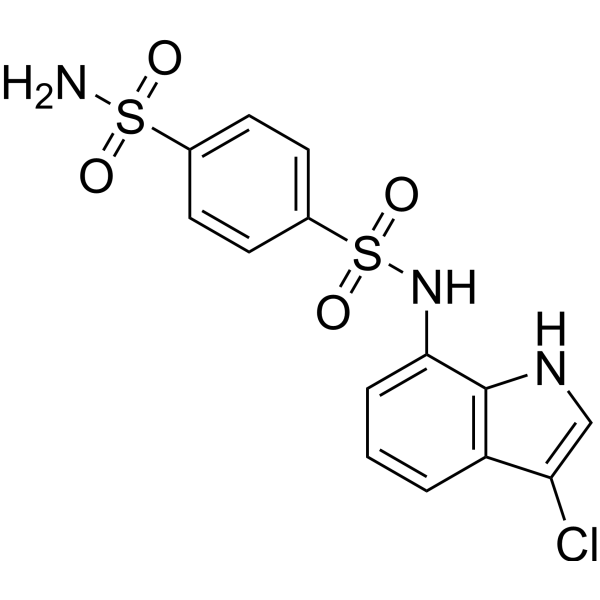 0 ImagesSynonyms: E 7070Indisulam (E 7070) is a carbonic anhydrase inhibitor and RBM39 molecular glue degrader, with Ki values of 31, 15, and 24 nM against human carbonic anhydrase I, II, and IX, respectively, and a Ki value of 65 nM against bovine carbonic anhydrase IV. Indisulam promotes the recruitment of RBM39 to the CUL4-DCAF15 E3 ubiquitin ligase complex, triggering polyubiquitination and proteasomal degradation of RBM39. Indisulam induces aberrant pre-mRNA splicing, G1 cell cycle arrest, and cell death in cancer cells. As an anticancer agent, Indisulam drives tumor regression and growth inhibition in xenograft models. Indisulam can be used in research related to solid tumors, hematologic and lymphoid malignancies, colorectal cancer, and non-small cell lung cancer.
-
Acetazolamide
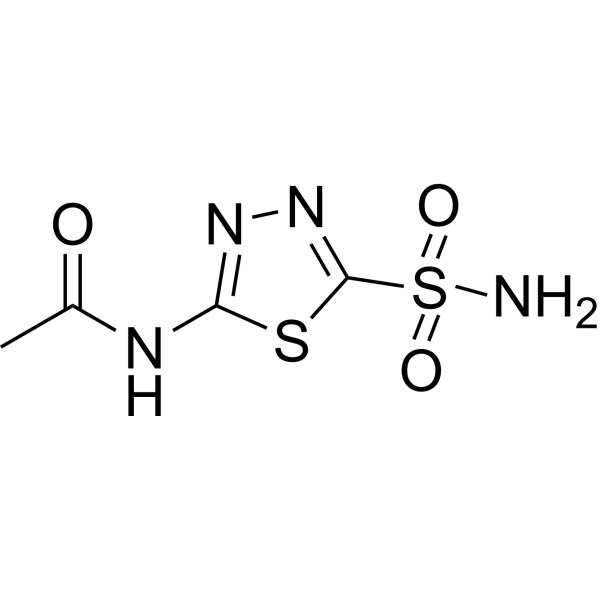 0 ImagesAcetazolamide is a carbonic anhydrase (CA) IX inhibitor with an IC50 of 30 nM for hCA IX. Acetazolamide has diuretic, antihypertensive and anti-gonococcal activities.
-
U-104
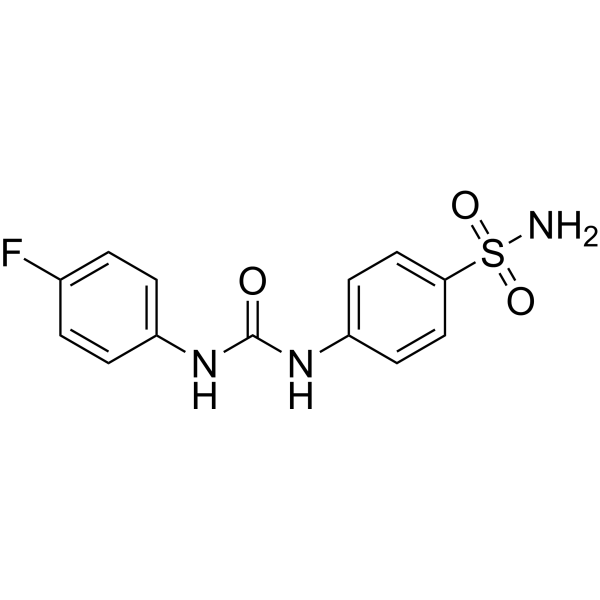 0 ImagesSynonyms: SLC-0111U-104 (SLC-0111) is a potent carbonic anhydrase (CA) inhibitor for CA IX and CA XII with Ki values of 45.1 nM and 4.5 nM, respectively. U-104 shows a significant delay in tumor growth in mice model.
-
Girentuximab
 0 ImagesSynonyms: G250; cG250Girentuximab (G250) is a chimeric monoclonal antibody that binds carbonic anhydrase IX (CAIX), a cell surface glycoprotein ubiquitously expressed in clear cell renal cell carcinoma (ccRCC).
-
Acetazolamide sodium
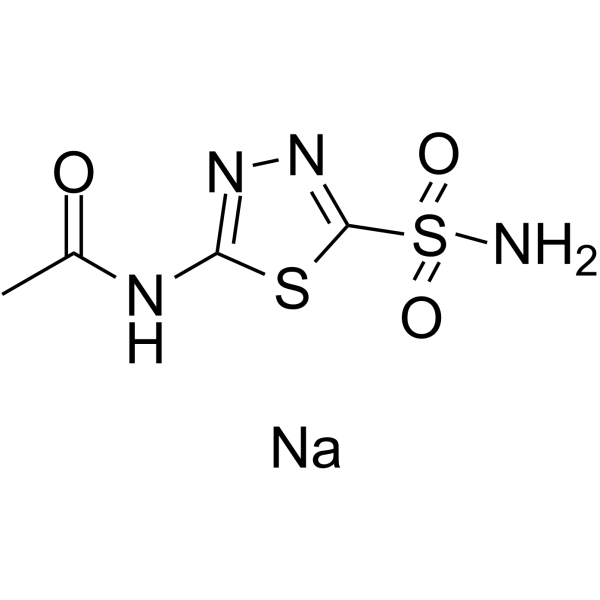 0 ImagesAcetazolamide sodium is a carbonic anhydrase (CA) IX inhibitor with an IC50 of 30 nM for hCA IX. Acetazolamide sodium has diuretic, antihypertensive and anti-gonococcal activities.
-
Acetazolamide (Standard)
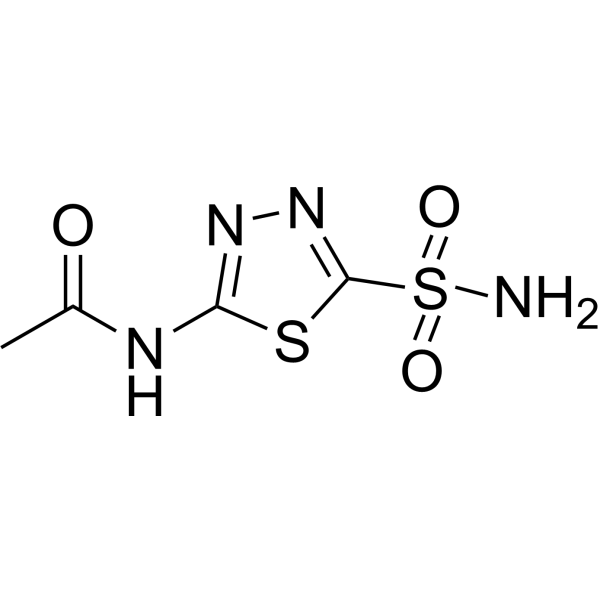 0 ImagesAcetazolamide (Standard) is the analytical standard of Acetazolamide. This product is intended for research and analytical applications. Acetazolamide is a carbonic anhydrase (CA) IX inhibitor with an IC50 of 30 nM for hCA IX. Acetazolamide has diuretic, antihypertensive and anti-gonococcal activities.
-
DPI-4452
 0 ImagesDPI-4452 is a CAIX-targeting cyclic peptide with a DOTA cage, and can be chelated with radionuclide for CAIX-expressing tumor PET-CT imaging and study. DPI-4452 specifically and selectively binds CAIX without interaction with an in vitro off-target receptor panel of 55 targets (IC50 for recombinant hCAIX: 130 nM). Radiolabeled DPI-4452 inhibits tumor growth in HT-29 and SK-RC-52 xenograft mouse models. DPI-4452 can be used for the synthesis/research of Radionuclide-Drug Conjugates (RDCs).
-
CAIX Inhibitor S4
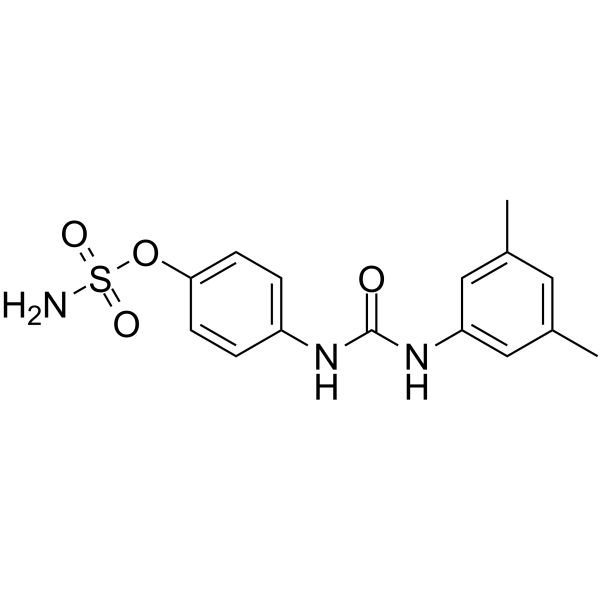 0 ImagesCAIX Inhibitor S4 is a potent and selective inhibitor of carbonic anhydrase IX/XII (CA IX/XII), with a Ki of 7 nM and 2 nM, respectively. CAIX Inhibitor S4 also inhibits CA II and CA I (Ki=546 and 5600 nM, respectively). CAIX Inhibitor S4 can inhibit the number of lung metastasis in orthotopic MDA-MB-231 mouse model without affecting primary tumor growth.
-
5,6-Dihydro-2H-pyran-2-one
 0 ImagesCat. No.: HY-W044762CAS No.: 3393-45-15,6-Dihydro-2H-pyran-2-one (Compound 1) is a prodrug-type carbonic anhydrase inhibitor. 5,6-Dihydro-2H-pyran-2-one can specifically inhibit the tumor-associated subtype hCA IX and the cytoplasmic subtype hCA I with Ki values of 1.35 and 8.03 μM. 5,6-Dihydro-2H-pyran-2-one can be used for the research on hypoxia-related cancer.
-
Furagin
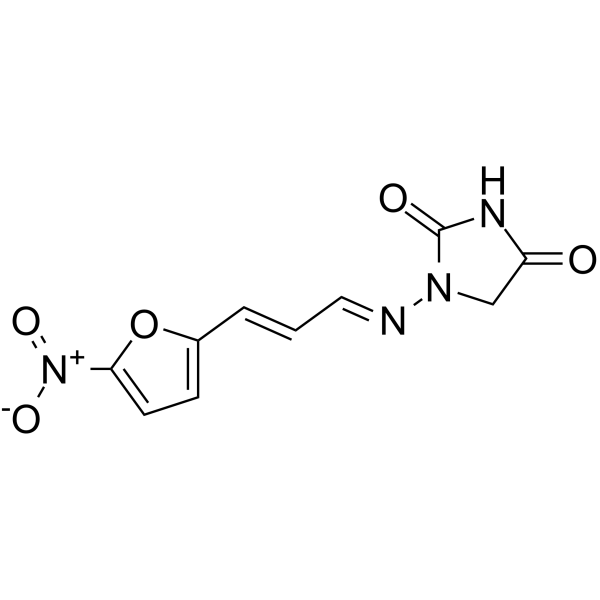 0 ImagesFuragin (Furazidine), an analogue of Nitrofurantoin (HY-A0090), is an antibiotic with antibacterial activity against ESKAPE pathogens with MIC values of 0-32 µg/mL. Furagin inhibits human Carbonic anhydrases . Furagin is promising for research of cancer and urinary tract infections (UTIs).
-
Elsulfavirine
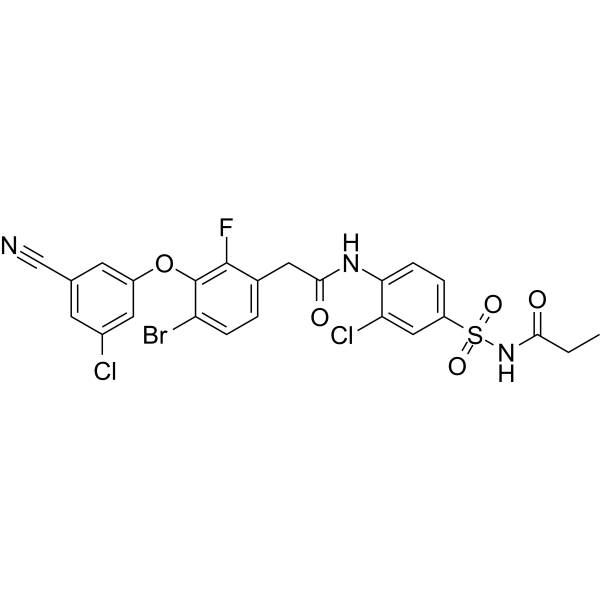 0 ImagesSynonyms: R-1206Elsulfavirine (R-1206) is an orally active human carbonic anhydrase (carbonic anhydrase, CA) inhibitor and an allosteric inhibitor of HIV-1 non-nucleoside reverse transcriptase (NNRT). Elsulfavirine also targets and blocks the interaction between adenylosuccinate lyase (ADSL) and insulin-induced gene proteins INSIG1/2, blocks SREBP-1-mediated de novo lipid synthesis, and inhibits the proliferation of liver cancer cells. The combination of Elsulfavirine and Lenvatinib (HY-10981) produces a synergistic anti-tumor effect. Elsulfavirine is converted into the active metabolite VM1500A in vivo, blocks the DNA polymerase activity of reverse transcriptase, and inhibits HIV-1 replication. Elsulfavirine exhibits a Ki of 1960 nM-52400 nM against human carbonic anhydrase isoforms including I, VII, VI, VA, VB, IX, XIII, XIV. Elsulfavirine is used in studies related to HIV-1 infection and liver cancer.
-
2-Aminobenzenesulfonamide
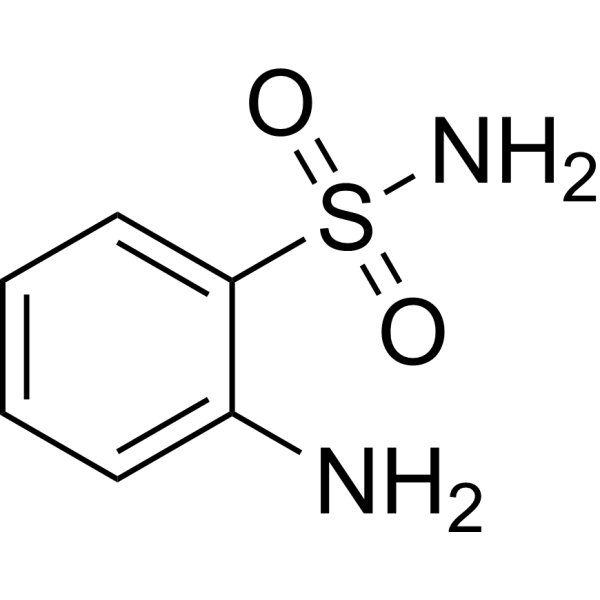 0 Images2-Aminobenzenesulfonamide is a carbonic anhydrase IX inhibitor.
-
4-Chloro-3-sulfamoylbenzoic acid
 0 Images4-Chloro-3-sulfamoylbenzoic acid is a weak inhibitor of human carbonic anhydrase isoforms hCA I, hCA II, hCA IV, and hCA IX, and a synthesis intermediate for carbonic anhydrase inhibitors. 4-Chloro-3-sulfamoylbenzoic acid is the major metabolite of tripamide detected in tissues, urine, and feces of rats and rabbits following Tripamide (HY-106570) administration. 4-Chloro-3-sulfamoylbenzoic acid can be used for the study of carbonic anhydrase inhibition and species differences in drug metabolism.
-
Lasamide
 0 ImagesLasamide is a potent human Carbonic Anhydrase inhibitor with Ki values of 7.54 and 2.76 nM for hCAXII and hCAIX, respectively.
-
Enpp/Carbonic anhydrase-IN-2
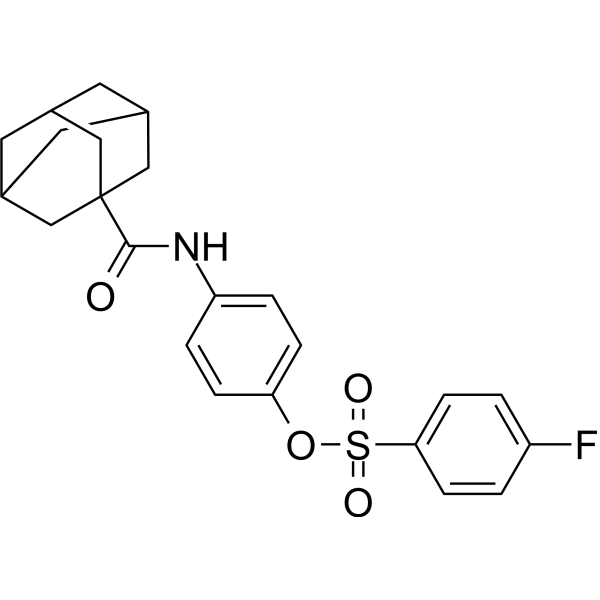 0 ImagesEnpp/Carbonic anhydrase-IN-2 (compound 1i) is a potent Enpp and carbonic anhydrase inhibitor with IC50s of 1.13, 1.07, 0.74, 0.33, 0.68 for NPP1, NPP2, NPP3, CA-IX, CA-XII respectively. Enpp/Carbonic anhydrase-IN-2 shows antiproliferative activity for cancer cells and low cytotoxic against normal cells. Enpp/Carbonic anhydrase-IN-2 induces Apoptosis.
-
hCAVII/IX-IN-1
 0 ImageshCAVII/IX-IN-1 (compound 4) is a hCAVII/IX inhibitor, with Ki values of 56.5 nM and 38.2 nM, respectively. hCAVII/IX-IN-1 can be used in anticancer research.
-
hCAIX-IN-18
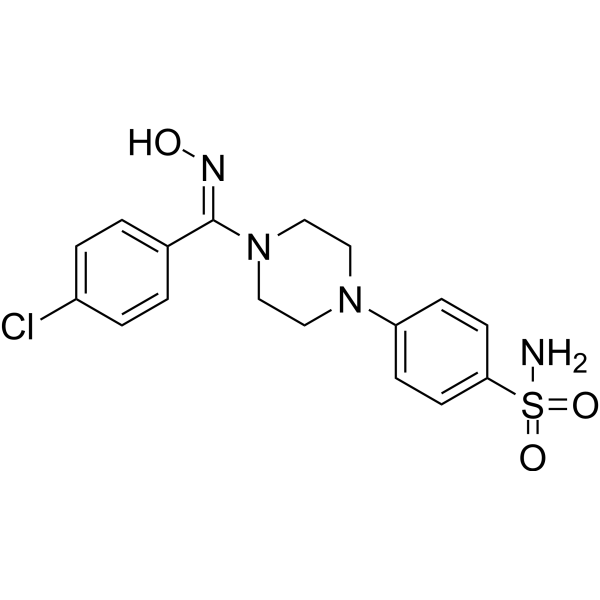 0 ImagesCat. No.: HY-149301CAS No.: 2925261-76-1hCAIX-IN-18 (compound 30) is an inhibitor of carbonic anhydrase (CA), with Kis of 3.5 nM, 9.4 nM, 43.0 nM and 8.2 nM for hCAI, hCAII, hCAIX, hCAXII, respectively. hCAIX-IN-18 can be used for cancer research.
-
GZ22-4
 0 ImagesCat. No.: HY-D2345Purity: 99.37%GZ22-4 is a near-infrared (NIR) fluorescent probe. GZ22-4 shows high affinity for carbonic anhydrase IX (CAIX), with a Kd of 0.2 nM. GZ22-4 can be used for the research of visualize CAIX-positive tumors.
-
Procodazole
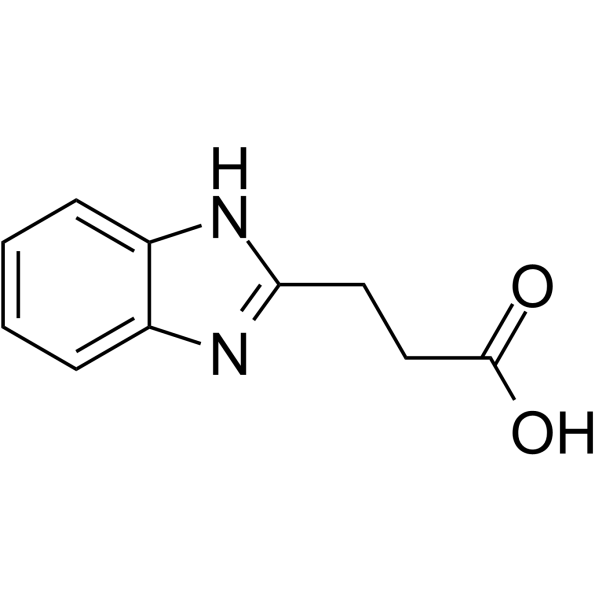 0 ImagesSynonyms: Propazol; 2-Benzimidazolepropionic acidProcodazole is an orally active enhancer and a non-specific active immune protector against viral and bacterial infections. Procodazole also exhibits antiparasitic activity. In addition, Procodazole is a carbonic anhydrase inhibitor with antitumor activity.
-
Enpp/Carbonic anhydrase-IN-1
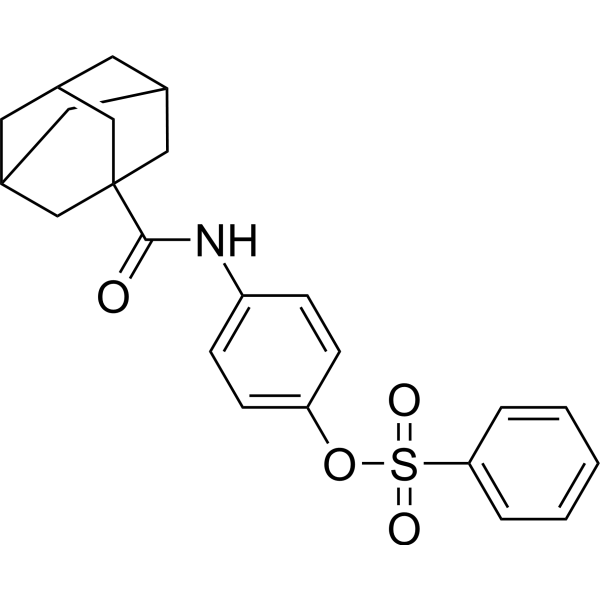 0 ImagesEnpp/Carbonic anhydrase-IN-1 (compound 1e) is a potent Enpp and carbonic anhydrase inhibitor with IC50s of 1.36, 1.35, 3.00, 0.88, 1.02 μM for NPP1, NPP2, NPP3, CA-II, CA-IX respectively. Enpp/Carbonic anhydrase-IN-1 shows antiproliferative activity for cancer cells and low cytotoxic against normal cells. Enpp/Carbonic anhydrase-IN-1 induces Apoptosis.




